Green Tea Display Font for Editorial Design
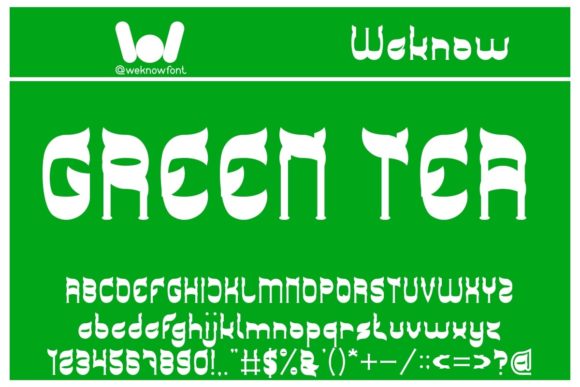
Green Tea is a fancy display font with delicate curves, subtle contrast, and an elegant rhythm—designed not for body text but for moments that command attention. As a display font, Green Tea excels where personality meets purpose: in headlines that set tone before the first sentence, on covers that invite readers to pause and linger, and across brand touchpoints where visual identity must feel intentional and memorable. Its refined yet approachable character makes it especially effective for creators who design for human connection—not just aesthetics.
Green Tea for Magazine Covers and Editorial Branding
Green Tea brings editorial sophistication to magazine covers without sacrificing warmth or accessibility. When used as a logotype or headline font, its balanced proportions and graceful terminals create immediate recognition—ideal for quarterly print runs, digital editions, or subscription-based newsletters. Because Green Tea is a display font built for impact, it pairs naturally with a crisp serif (like Adobe Garamond or Crimson Text) for body copy or a neutral sans serif (such as Inter or Lato) for captions and bylines. This contrast supports strong visual hierarchy while preserving readability across devices and PDF exports.
Green Tea for Ebook Titles and Chapter Openers
For ebook creators—especially those publishing lifestyle guides, recipe collections, coaching workbooks, or illustrated poetry—Green Tea adds distinction at critical entry points. Used as a title font on ebook covers or as a chapter opener in EPUB or PDF formats, Green Tea signals intentionality and care. It’s not a script font or handwritten font; instead, it occupies a refined middle ground between modern typography and classic elegance—making it suitable for both contemporary and timeless content. Ensure your ebook platform supports OpenType features like ligatures or stylistic alternates if included, and always test rendering on Kindle, Apple Books, and desktop PDF viewers.
Green Tea for Newsletter Headers and Quote Graphics
Green Tea shines in email newsletters where every pixel competes for attention. As a headline font above lead paragraphs or as accent typography for pull quotes and callouts, it elevates tone without overwhelming layout density. Since many newsletter clients render fonts inconsistently, use Green Tea for static header graphics (not live text) when possible—exporting as high-res PNG or SVG with embedded fallbacks. This ensures consistency whether your reader opens in Gmail, Outlook, or Apple Mail. For brands building subscriber loyalty, Green Tea reinforces voice: thoughtful, unhurried, and quietly confident.
Green Tea for Printable Planners and Lead Magnets
Printable planners, worksheets, and downloadable guides rely on typography that feels both functional and inviting. Green Tea works beautifully for section headers, weekly title banners, or motivational quote overlays—adding visual texture without compromising clarity at 12–16 pt sizes. As a display font, it’s not intended for extended reading, so reserve it for short, high-impact phrases. For best results in print-ready PDFs, embed the font fully and confirm CMYK compatibility if ordering physical prints. Also verify multilingual support if your audience spans English, Spanish, or French-speaking readers—many premium fonts include extended Latin character sets.
Green Tea for Book Covers and Comic Title Treatment
Book designers and indie comic creators benefit from Green Tea’s expressive versatility. On fiction or memoir covers, it conveys literary nuance; in comic or cartoon title treatment, its rhythmic flow suggests movement and narrative energy. Unlike rigid geometric display fonts, Green Tea has organic variation in stroke weight and terminal shape—giving it presence without stiffness. Use it for series branding across multiple volumes or issues to build continuity. Pair with a highly legible sans serif (like Helvetica Now or SF Pro Display) for subtitles and credits to maintain balance and scannability.
Green Tea for Corporate Identity and Apparel Industry Applications
Though rooted in editorial design, Green Tea extends naturally into broader brand identity systems—particularly for lifestyle brands, boutique publishers, or creative studios launching apparel lines. As a logo font or logotype, its distinctive silhouette holds up well on garment tags, woven labels, and embroidered chest patches. Its clean outlines scale effectively from business cards to tote bags. For corporate identity use, ensure your license permits derivative works (e.g., monogrammed versions or color-modified variants), and always test legibility against fabric textures and background colors.
Green Tea for Poster Design and Music or Movie Promotional Assets
Posters demand typographic confidence—and Green Tea delivers it with quiet authority. Whether promoting an independent film festival, a vinyl album release, or a local theater production, this display font anchors messaging while leaving room for imagery and white space. Its structure avoids visual clutter, making it ideal for layered compositions in Adobe Photoshop or Illustrator. When exporting for social media promotion (Instagram carousels, YouTube thumbnails), keep Green Tea usage concise—single-line titles or stylized artist names perform best. Avoid stacking multiple weights unless explicitly offered; most display fonts like Green Tea ship with one primary style optimized for maximum impact.
Green Tea for Game UI Titles and Digital Magazine Logos
Digital magazines and indie game developers increasingly seek fonts that communicate genre and mood at a glance. Green Tea serves both: its gentle cadence suits cozy simulation games or narrative-driven RPGs, while its polished finish aligns with premium digital publications targeting discerning readers. As a logotype in app interfaces or splash screens, it establishes brand voice before interaction begins. Confirm licensing permits embedding in web apps or Unity builds—commercial fonts often require extended licenses for runtime use beyond static graphics.
Practical Licensing Notes for Content Creators
- Green Tea is licensed for commercial use—including ebooks, paid newsletters, client-facing templates, and digital downloads—but verify terms for redistribution rights if selling editable Canva templates or Figma kits.
- Always check whether the package includes bold or italic variants, alternate glyphs, or language support beyond basic Latin characters.
- For print projects, embed Green Tea in PDFs using “Subset” or “Embed All” settings to prevent substitution on recipient machines.
- When pairing Green Tea with other fonts, prioritize contrast: pair with serifs for traditional authority or geometric sans serifs for modern clarity—not other display fonts.